
What to Pack for Lhasa
Complete packing checklist tailored to Lhasa's climate and culture
Climate Overview for Lhasa
Lhasa sits at an elevation where the sun feels intensely warm on your skin while the thin air holds a persistent chill. The light in Lhasa is brilliant and sharp, illuminating the whitewashed walls of the Potala Palace and the golden temple roofs. Days can be deceptively warm. But the temperature plummets as soon as the sun dips behind the mountains, bringing a crisp, cold edge to the evening. This high-altitude, semi-arid climate demands a packing strategy centered on layers. You will need garments for strong daytime ultraviolet rays and substantial insulation for the cold nights. The dry air will chap your lips and skin, and the shifting conditions require adaptable clothing you can easily add or remove.
Clothing & Footwear
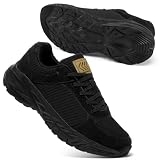
The stone streets around the Barkhor circuit are uneven, and temple floors are cold stone. You will spend hours on your feet, so supportive shoes are non-negotiable for exploring Lhasa.

The dry air in Lhasa helps laundry dry quickly on a line. Quick-dry fabrics are practical for washing in your hotel sink after a dusty day of sightseeing.
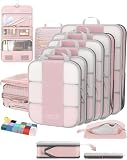
Domestic flights within China to Lhasa often have strict weight limits. Compression cubes maximize space and help you stay under baggage allowances.

A packable bag is good for carrying layers you shed in the warm Lhasa sun, holding a water bottle, and storing souvenirs from the Barkhor Street market.
Electronics & Gadgets
Lhasa uses Type A, C, and I outlets. A universal adapter like the Travel Adapter USB C ensures you can charge devices anywhere in the city, from older guesthouses to modern hotels.

Long days visiting the Drepung Monastery or circling the Sera Monastery leave little time for charging. A high-capacity power bank keeps your phone and camera alive for navigation and photos.

The braided nylon on these cables resists wear from being packed and unpacked daily as you move between sites in Lhasa. Having spares is wise.
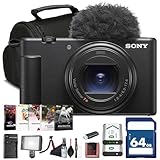
The Sony ZV-1 II captures the vivid colors of prayer flags flapping against deep blue skies and the intricate details of mandalas inside Lhasa's temples without being cumbersome.
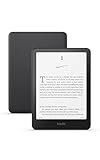
The glare-free screen is easy to read under the strong Lhasa sun during quiet afternoons. It saves weight compared to physical books, which is key for flight restrictions.
Toiletries & Health

A clear, quart-sized bag like the MODENGKONGJIAN model organizes your liquids for flights into China and onward to Lhasa, keeping everything accessible.

The high altitude and dry climate in Lhasa can cause headaches, nosebleeds, and cracked skin. A basic kit with blister pads and antiseptic is prudent.

Solid bars eliminate liquid spills in your luggage during the pressure changes on flights to Lhasa. They also last longer in the arid air.

The Amazon Basic Care organizer helps you track altitude sickness medication or daily vitamins, important for managing your health while acclimatizing in Lhasa.
Documents & Security
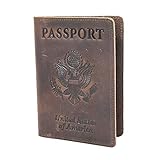
This Genuine Crazy Horse Leather holder keeps your Tibet Travel Permit, Chinese visa, and passport organized and protected in the crowded Barkhor market.

Worn under your layers, this pouch securely holds the larger amounts of cash sometimes needed for entry fees at monasteries around Lhasa.

Use these on your checked bag flying to Lhasa and on lockers in guesthouses. The combination feature means you won't lose a key.
Comfort & Convenience
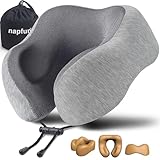
The napfun neck pillow provides important support on long flights or bus journeys to Lhasa, where comfortable rest aids altitude acclimatization.

The MZOO mask blocks light completely, helping you sleep despite Lhasa's strong morning sun or unfamiliar hotel room conditions.
Staying hydrated is critical at Lhasa's altitude. A collapsible bottle saves space when empty and can be filled with boiled or filtered water.
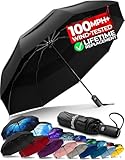
Lhasa's weather shifts quickly. A windproof umbrella like the TUMELLA shields you from sudden afternoon showers or the intense high-altitude sun.
Outdoor & Hiking Gear

These TrailBuddy poles provide stability and reduce knee strain when climbing the long staircases of the Potala Palace or walking Lhasa's hilly paths.
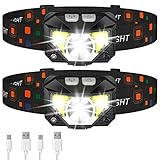
Useful for early morning walks to see pilgrims at the Jokhang Temple or if you encounter a power outage in more remote guesthouses around Lhasa.
Seasonal Packing Adjustments
What to add or skip depending on when you visit
Winter
November, December, January, February, March
Add: Heavy down jacket, Thermal base layers, Insulated gloves, Warm hat, Lip balm with SPF
Shop Winter essentials →Skip: Lightweight linens
Temperatures in Lhasa are well below freezing at night. Pack your warmest layers. The air is extremely dry, so heavy moisturizer is a must. Many indoor spaces are heated by stove.
Summer
June, July, August, September
Add: Wide-brimmed sun hat, High-SPF sunscreen, Sunglasses with UV protection, Light, long-sleeved shirts
Shop Summer essentials →Skip: Heavy down jacket
The Lhasa sun is intense and ultraviolet radiation is high. Sun protection is critical even if the air feels cool. Afternoon rain showers are common, so a waterproof layer is useful.
Luggage Recommendation
A durable, medium-sized backpack or a soft-sided duffel bag is more practical than a hard-shell suitcase for Lhasa. You will encounter stairs, uneven cobblestones, and vehicles with limited trunk space. Ensure your main bag has a lockable zipper and meets carry-on size restrictions for domestic Chinese flights, as checked baggage fees can be a splurge and delays are possible.
Shop Carry-On Luggage on AmazonPro Packing Tips
Practical advice from experienced travelers
Don't Pack
- Heavy bottles of shampoo and conditioner. You can find basic toiletries at supermarkets like Tianhai or smaller shops along Beijing Road.
- Multiple heavy novels. Book swaps are available in some Lhasa guesthouses catering to travelers.
- A large supply of packaged snacks. The market near the Jokhang Temple sells local dried yak cheese and fruits.
- Formal clothing or high heels. Dress in Lhasa is casual and practical for walking on uneven ground.
- An excessive amount of cash. ATMs that accept international cards are available on Barkhor Street and near the Potala Palace.
Buy Locally
- Yak wool scarves or sweaters. Find authentic, thick ones from vendors on Barkhor Street for warmth unique to the region.
- Traditional Tibetan aprons (pangden). These colorful striped aprons are sold by women artisans in the Barkhor market.
- Bottled oxygen cans. If you struggle with altitude, these are readily available in Lhasa pharmacies for immediate relief.
- Butter tea. It is an acquired taste. But you should try the local staple at a tea house near the Jokhang Temple rather than packing a substitute.
Packing Hacks
- Roll clothes instead of folding to save space
- Pack shoes in shower caps to protect clothes
- Use packing cubes to stay organized
- Keep essentials in your carry-on
Continue Planning Your Trip
More guides to help you prepare
Ready to plan your trip to Lhasa?
Now that you've got the research covered, here's where to go next.