Lhasa - Things to Do in Lhasa in March

Things to Do in Lhasa in March

March weather, activities, events & insider tips

Fair time to visit Low Season · Budget Friendly

March Weather in Lhasa

Long-run averages for March

56°F (13°C) High Temp
31°F (0°C) Low Temp
0.1 inches (3 mm) Rainfall
28% Humidity
1 Rainy Days
12 Sunny-Day UV
⚠ Extreme UV hits hard at 3,650 m (11,975 ft). Peak UV index of 12 burns exposed skin in 15 minutes. The air feels cold. The damage happens anyway. Thin atmosphere and dry air filter almost nothing. Unprotected eyes risk photokeratitis. That is corneal sunburn. It hurts. ⚠ Altitude sickness hits about half of travelers at 3,650 m (11,975 ft) without acclimatization. Symptoms include headache, nausea, insomnia, and shortness of breath. They peak 12 to 36 hours after arrival. Severe cases escalate fast. Pulmonary or cerebral edema follows. Both need immediate descent. Pack insurance. ⚠ Temperatures crash 14°C (25°F) or more between midday and sunset. Day clothes become dangerous after dark. March nights hit 0°C (31°F). Poorly heated guesthouses are common. Bring proper sleeping layers. Hypothermia is real here. ⚠ Humidity sits near 28%. Skin cracks. Nasal passages dry out. Lung tissue suffers. Dehydration accelerates. Altitude symptoms worsen. Nosebleeds happen daily. Cracked lips are standard. Nearly everyone suffers the first three days. Pack heavy moisturizer.

Making the most of March in Lhasa? Browse tours and activities in Lhasa on GetYourGuide.

Is March Right for You?

Weigh the advantages and considerations before booking

Advantages
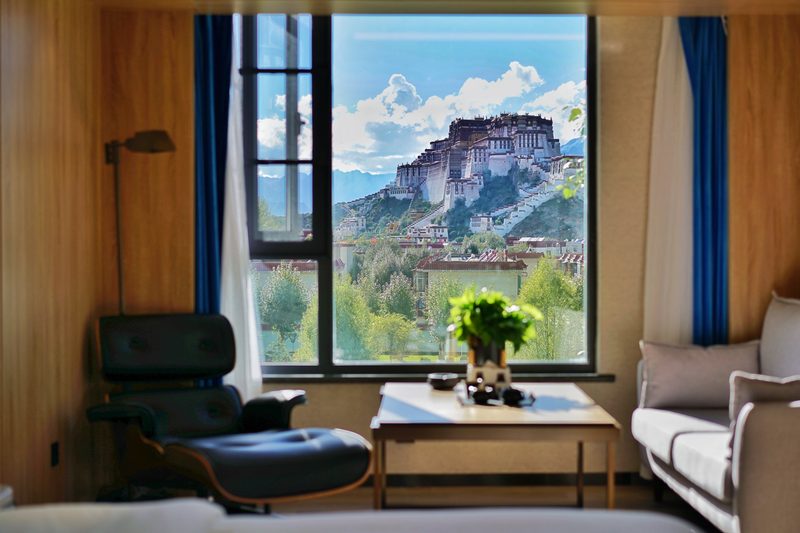
  • + The clearest skies of the year. March air over Lhasa is so dry and thin at 3,650 m (11,975 ft) that the Himalayas to the south appear etched against the horizon rather than hidden behind haze. The Potala Palace roof catches morning sun against a cobalt sky that sea-level cities simply cannot produce. Photographers who time their shots from Chakpori Hill at dawn will understand why Tibetans call this the Roof of the World without a trace of exaggeration.
  • + Lowest tourist numbers of any accessible month. The handful of travelers who do hold permits in March share Jokhang Temple's inner sanctum with prostrating pilgrims and flickering butter lamps rather than tour-group umbrellas. The Barkhor kora moves at the pace of prayer wheels turning under weathered hands, not selfie sticks.
  • + Comfortable daytime walking temperatures. Highs around 13°C (56°F) mean you can spend hours circling the Barkhor or climbing the Potala's thousand-plus steps without the overheating and afternoon thunderstorms that cut outdoor time short from June through August. The dry cold feels surprisingly manageable in direct sun.
  • + The pre-monsoon window for Everest and high-plateau excursions. March delivers some of the year's most transparent views toward the Himalayas, making multi-day overland trips toward Everest Base Camp or the turquoise sweep of Yamdrok Lake far more rewarding than summer attempts through cloud and monsoon rain.
Considerations
  • − Tibet travel permits can face significant restrictions or delays in March, around politically sensitive anniversaries in early-to-mid March. Some years, the entire region has been closed to foreign tourists for weeks at a stretch. This is the single largest risk of choosing March, and no amount of planning eliminates it. Confirm permit availability with a licensed agency well before booking flights.
  • − Nighttime temperatures drop to 0°C (31°F) or below, and many of Lhasa's guesthouses and mid-tier hotels lack anything resembling central heating. You'll sleep in thermals under heavy blankets and wake to frost patterns on single-pane windows. Even higher-end properties run their heating systems inconsistently during the quieter months.
  • − Altitude hits harder in cold, dry air. The combination of roughly 65% of sea-level oxygen, 28% humidity, and intense solar radiation at 3,650 m (11,975 ft) makes acclimatization slower and dehydration faster than most first-time visitors expect. Your body is working harder just to breathe, and the dry wind strips moisture from skin and lungs with a speed that sneaks up on you.

Settled on March? Compare hotel prices in Lhasa for your dates on Trip.com.

Best Activities in March

Top things to do during your visit

Potala Palace and Old Lhasa Heritage Circuit

March is likely the best month to experience the Potala Palace as something closer to what it was before mass tourism reshaped the visit. With low visitor numbers, the dark interior corridors where butter lamps throw trembling shadows across thousand-year-old murals feel contemplative rather than bottlenecked. The air inside smells of juniper smoke and rancid yak butter in equal measure, an olfactory signature that never leaves your memory. At 13°C (56°F), the climb up the 117 m (384 ft) of switchback stairs is demanding but not punishing, provided you have acclimatized for at least two days. After the palace, the walk down through the whitewashed lanes of Shol village at the base leads naturally into the Barkhor circuit. March light at this altitude throws hard shadows that make the gold finials and prayer-flag strings almost painfully sharp against the sky. Book a guided heritage tour through licensed operators at least three weeks ahead, as March permit processing tends to run slower. See current options in the booking section below.

Booking Tip: Tibet requires all foreign visitors to travel with a licensed guide, so a guided tour is not optional but mandatory. Book at least 20 days ahead to allow time for Tibet Travel Permit processing. March permit windows tend to be tighter than summer months, so earlier is better. Look for operators who include permit handling, airport pickup, and oxygen supply in their package.
Jokhang Temple and Barkhor Kora Pilgrimage Walk

The Barkhor circuit around Jokhang Temple is Lhasa's spiritual engine, and March strips away enough tourist traffic that you can hear it running. The sound is prayer wheels clicking in rapid succession under callused palms, the low drone of mantras from pilgrims completing their hundredth circumambulation, and the slap of bodies hitting cold flagstone during full-length prostrations. In March's clear, cold mornings, the incense smoke from juniper burners at each corner of the circuit rises in vertical columns rather than dispersing in summer humidity. The temple interior is dark, close, and thick with the scent of melted yak butter from thousands of lamps. Touch the stone thresholds worn into smooth valleys by centuries of feet. The market stalls lining the outer ring sell everything from prayer flags to yak-bone jewelry, and in March the vendors have time to talk. Walking the kora at dawn alongside Tibetan pilgrims who have traveled weeks to reach this spot is the sort of experience that resets your idea of what devotion looks like.

Booking Tip: The Barkhor kora itself is free and open. But entering Jokhang Temple requires a ticket and a guide for foreign visitors. Morning visits before 9 AM let you walk with the pilgrims before organized groups arrive. Your licensed tour guide can arrange Jokhang access as part of a Lhasa city itinerary. See the booking section below for guided options that include temple entry.
Sera Monastery Monk Debates

Every afternoon, Sera Monastery's courtyard erupts. Monks in crimson robes clap with force that echoes off stone walls, stamp feet on packed earth, and lean into opponents' faces with arguments refined across six centuries. March crowds stay thin. Sit close on the benches and feel each percussive crack. The monastery sits 5 km (3.1 miles) north of central Lhasa at Tatipu Hill's base. March's dry air makes the walk or short drive a clear-sky affair with Potala views. The complex is a maze of whitewashed buildings, dark assembly halls smelling of lamp oil and old wood, and narrow passages where stray dogs sleep in sun patches. Debates begin around 3 PM. They run two hours. Schedules shift.

Booking Tip: Most Lhasa city tours include Sera Monastery as a half-day afternoon stop. Confirm debates are scheduled. They cancel occasionally for religious observances. Arrive by 2:30 PM. Secure good sightlines. Photography is permitted in the courtyard. Assembly halls ban it. Check current guided tours in the booking section below.
Yamdrok Lake Overland Day Trip

The Lhasa to Yamdrok Lake drive crosses Kamba La pass at 4,794 m (15,728 ft). In March, the road is dry, the sky enormous, and the lake below a turquoise so implausible it looks digitally altered. It is not. Mineral deposits and depth create the color. March's low-angle sun intensifies it. The drive takes roughly two hours each way through brown valleys and snow-dusted peaks, with yak herds grazing winter-dry grass that crunches underfoot. At the viewpoint, wind is bitter and constant. Cold enough to water your eyes. The panorama to the far shore's snow peaks earns every shiver. The air is noticeably thinner than Lhasa. Anyone without three days' acclimatization will feel it in chest and temples. March conditions make this one of the most visually rewarding day trips available. No summer monsoon clouds. No rain.

Booking Tip: This is a full-day excursion. Depart Lhasa early morning. Return late afternoon. Book through your licensed tour operator as part of your Tibet itinerary. Schedule it on day three or four after acclimatization. The pass reaches nearly 4,800 m (15,750 ft). Carry oxygen canisters. See current tour options in the booking section below.
Multi-Day Everest Base Camp Overland Journey

March opens arguably the finest window for the overland drive to Everest Base Camp at 5,200 m (17,060 ft). The monsoon is months away. The plateau sky delivers crystalline visibility. The north face appears close enough to sketch in detail. The route crosses the Friendship Highway through Shigatse and Tingri, climbing through river valleys to high-altitude desert, with cold biting deeper at each pass. Guesthouse nights are cold. Your water bottle freezes solid by morning. Simple meals of thukpa noodle soup and butter tea taste better than they should after eight hours on rough road. At Base Camp, wind carries the metallic smell of ice and rock. Silence between gusts is absolute. This is a commitment trip. Seven to ten days round-trip. March's low temperatures demand serious preparation. The reward is Everest without summer crowds. The sky clarity makes the mountain look painted there.

Booking Tip: Everest Base Camp requires additional military and alien travel permits beyond the standard Tibet Travel Permit. Licensed operators handle applications. Start at least 30 days before departure. The overland route is physically demanding at extreme altitude. Complete your Lhasa acclimatization first. Book well ahead for March departures. Operator capacity is limited in low season. See the booking section below for current multi-day tour options.

Where to Stay in Lhasa in March

Hand-picked hotels across price tiers for March travellers.

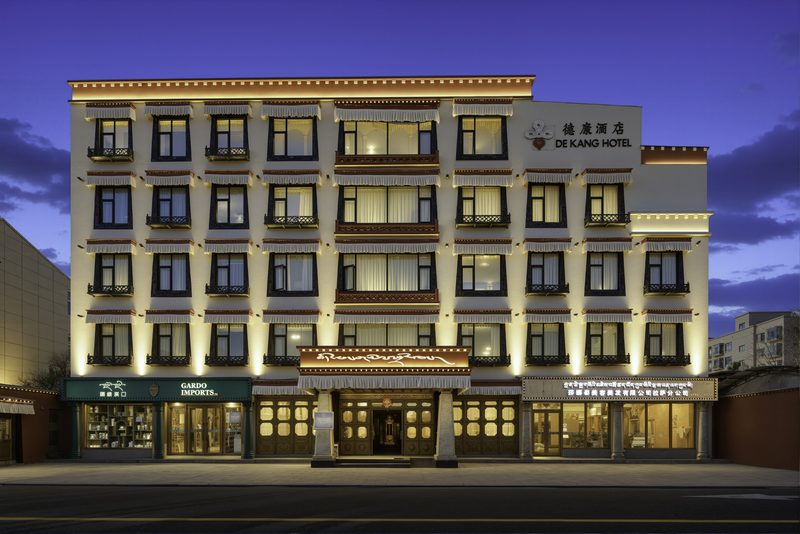
Lhasa Barkhor Street Dekang Fuoxi View B&B (Potala Palace Jokhang Temple) in Lhasa
★★★ Budget

Lhasa Barkhor Street Dekang Fuoxi View B&B (Potala Palace Jokhang Temple)

9.5 Excellent · 1246 reviews
From $35 / night
Check Prices on Trip.com →
Tibethostel Scenic Hotel (Potala Palace) in Lhasa
★★★★ Mid-Range

Tibethostel Scenic Hotel (Potala Palace)

9.5 Excellent · 7182 reviews
From $53 / night
Check Prices on Trip.com →

Packing Checklist

Bookmark this page — your progress is saved between visits

Need the full list with shopping links?

Climate-specific gear, brand recommendations, and what to leave at home.

View Lhasa Packing List →

Essential Tips

Insider knowledge and common pitfalls to avoid

Insider Knowledge
Spend your first two full days in Lhasa doing almost nothing strenuous. The altitude at 3,650 m (11,975 ft) demands genuine respect. Walk slowly. Drink water until you are tired of drinking water. Skip alcohol entirely for 48 hours. Resist the urge to climb the Potala on arrival day no matter how good you feel. Tibetans have a saying that loosely translates as the mountain tests you on the first day and rewards you on the third. They are not being poetic. They are being clinical. The Tibetan New Year celebrations, Losar, and the Great Prayer Festival, Monlam Chenmo, sometimes extend into early March depending on the Tibetan lunar calendar. If your March dates overlap with these festivals, Jokhang Temple and the Barkhor circuit transform with ceremonial butter sculptures, expanded monk debates, and pilgrims arriving from pastoral communities across the plateau in their finest chuba robes. The exact dates shift each year. Confirm the 2027 Tibetan calendar when planning. Take the Qinghai-Tibet Railway from Xining rather than flying directly into Lhasa if your schedule allows the extra day. The train crosses the Tanggula Pass at 5,072 m (16,640 ft), the highest point on any railway in the world. The gradual ascent over 21 hours gives your body an overnight acclimatization that dramatically reduces the headaches and nausea that hit roughly half of all travelers who fly in. The carriages are pressurized with supplemental oxygen. The berths are comfortable. The high-plateau landscape outside the window, yak herds on frozen grassland, snow peaks catching the last light, is itself worth the time. The best light for photographing the Potala Palace comes in early morning from the southwest, when the white walls catch low sun and the sky behind deepens from navy to cobalt. The small park across Beijing Middle Road, south of the palace, gives you the full frame without construction scaffolding or tour bus rooftops in the foreground. Evening light from Chakpori Hill to the west turns the palace gold but puts the facade in partial shadow. Both are worth shooting. Morning is the keeper.
Avoid These Mistakes
Avoid climbing the Potala Palace on day one. The thousand-plus steps rising 117 m (384 ft) at 3,650 m (11,975 ft) altitude will punish anyone who has not acclimatized for at least two days. Headache, nausea, and breathlessness turn what should be the trip's centerpiece into an ordeal survived rather than an experience absorbed. Start with the flat Barkhor circuit and the ground-level halls of Jokhang Temple. Save the Potala for day three at the earliest. Do not pack only warm clothes and underestimate the sun. March sun at Lhasa's altitude burns exposed skin in under 15 minutes, and the cold dry air masks how fast you are burning. Your face, neck, and the backs of your hands need SPF 50+ reapplied throughout the day. Forgetting UV-blocking sunglasses invites a splitting headache by afternoon that feels like altitude sickness but is photosensitivity. The cold is obvious and you will dress for it. The sun is the thing that catches people off guard. Never arrive by air without an acclimatization plan or backup days. The flight from Chengdu or Kathmandu deposits you at 3,650 m (11,975 ft) within a few hours, giving your body no time to adjust. Roughly half of travelers who fly in experience moderate altitude sickness, headache, nausea, insomnia, fatigue, for 24 to 48 hours. If your itinerary has you on a guided tour departing the morning after arrival, you will be miserable. Build in two full rest days in Lhasa before any excursion. Hold a flexible buffer day in case symptoms linger.

Short on time? See day trips around Lhasa on GetYourGuide.

Book Experiences in Lhasa

Top-rated things to do in Lhasa this March

Explore More Activities in Lhasa

Didn't see anything interesting yet?

Browse Viator's full catalog of tours, day trips, food experiences, and private guides in Lhasa.

See All Lhasa Tours on Viator