Things to Do in Lhasa
Thin air, thick incense, and a city that kneels before sunrise
Top Things to Do in Lhasa
Find activities and tours you'll actually want to do. Book through our partners -- no booking fees.


Plan Your Trip
Essential guides for timing and budgeting
Climate Guide
Best times to visit based on weather and events
View guide →Day Trips
The best excursions and nearby destinations worth the journey
Explore day trips →Where to Stay
Best neighbourhoods, hotel picks, and booking tips
Find hotels →Travel Insurance
What's required, what coverage matters, and how to get a quote
Read guide →What to Pack
Climate-specific gear, essentials, and what to leave at home
See packing list →When Should You Visit Lhasa?
Tap a month for weather, crowds, and highlights
View full year-round climate guide →Your Guide to Lhasa
About Lhasa
Lhasa punches you in the lungs before your eyes join the party. At 3,650 meters above sea level, the air carries roughly sixty percent of the oxygen you're used to, and your first afternoon will likely involve a headache, a nap, and the slow realization that walking up stairs now qualifies as exercise. Give it two days.
By the third morning, when you step onto the Barkhor kora, the pilgrim circuit looping around the Jokhang Temple, the most sacred site in Tibetan Buddhism, you'll be moving at the same measured pace as the grandmothers spinning prayer wheels beside you. The thin air will smell of juniper smoke and yak butter burning in temple lamps.
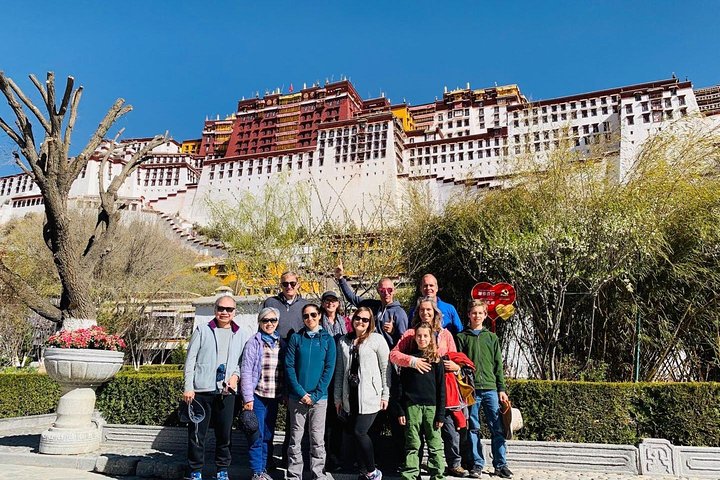
The Potala Palace dominates the city from its perch on Marpo Ri, thirteen stories of whitewashed and ochre walls that took generations to build and still looks less like a museum piece than a fortress that simply refused to fall. But Lhasa's real texture is at street level. The narrow alleys behind the Jokhang where monks in maroon robes duck into teahouses serving salt-and-butter tea so thick it coats your teeth.
The debate courtyards at Sera Monastery where young monks slap their hands and stamp their feet in theological argument like it's a contact sport. The sweet-dough smell of freshly steamed momos drifting from hole-in-the-wall kitchens along Beijing East Road. The trade-off is real. Foreign travelers cannot visit independently, and the mandatory guide-and-permit system adds cost and constrains your schedule.
The restriction has an unintended upside. Lhasa remains one of the few major pilgrimage cities on earth that hasn't been hollowed out by mass tourism. The prostrators still outnumber the photographers on the Barkhor, and that alone is worth the paperwork.
Travel Tips
Transportation: Foreign travelers in Lhasa move with a guide and a pre-arranged vehicle. That's the permit system, not a suggestion. Within the old city, your feet are better. The Barkhor circuit and the lanes around the Jokhang sit within a walkable two-kilometer radius, and that measured pace helps your body adjust to the altitude. For longer distances, Drepung Monastery on the western edge, Sera to the north, your guide's vehicle handles it. Independent taxis are affordable but hailing one without Mandarin or Tibetan is a coin flip. The altitude catches first-timers who walk too fast. Take the first two days slowly and resist the urge to sprint up the Potala's stairs for the morning light.
Money: China runs on WeChat Pay and Alipay. These two apps have essentially replaced cash across the mainland. The catch for foreign visitors: linking an international card requires a registration process that changes frequently and doesn't always cooperate. Carry cash. Lhasa has Bank of China ATMs near the Barkhor and along Beijing East Road that accept international cards, though the machines occasionally run dry or reject foreign cards without explanation. Keep smaller denominations. Vendors in the old town and monastery ticket counters rarely break large notes cheerfully. Tipping isn't expected in Tibetan culture, though rounding up for a good guide has become common practice.
Cultural Respect: Walk clockwise. Around every temple, every stupa, every mani stone wall, always clockwise. It's the single most visible mark of respect in Tibetan Buddhist culture. Walking the wrong direction on the Barkhor kora will earn you stares and gentle corrections from grandmothers who've walked that circuit for decades. Photography inside active temples is typically restricted, and monks will let you know. Outside, most Tibetans are generous about photos if you make eye contact and gesture first rather than shooting from the hip. Don't touch religious texts, statues, or offerings. Remove your hat in temples. If someone offers you a white khata scarf, accept it with both hands. It's a greeting of honor, not a transaction.
Food Safety: Your appetite will likely vanish for the first day or two. That's the altitude, not the food. Drink water constantly. Skip alcohol for the first forty-eight hours and ease in with simple meals. Yak butter tea is the city's signature: salty, rich, vaguely cheesy, and an acquired taste that roughly half of visitors never acquire. Try it anyway. It's the fastest way to get calories and hydration at altitude. Momos, Tibetan dumplings filled with yak meat or vegetables, steamed or fried, are reliable everywhere from monastery tea stalls to Beijing East Road restaurants. Tsampa, roasted barley flour mixed into tea, tastes nuttier and more satisfying than it sounds. Stick to cooked food and bottled water while adjusting.
When to Visit
Lhasa gives you two seasons worth booking: the cooperative months, or the empty ones. April to early June and September to October own the guidebook crown, and they have earned it. Spring hovers at 15-20°C (59-68°F) under skies so blue they look Photoshopped, the sort of clarity you only score at 3,650 m with almost zero humidity.
Saga Dawa, landing in May or June, packs the Barkhor with pilgrims and processions. It is the holiest month on the Tibetan Buddhist calendar, and the city hums like a plucked wire. Autumn copies the weather yet throws golden light across the Lhasa River valley with thinner crowds, so September and October edge out as the all-round winners.
July and August bring the year's warmest highs, 22-24°C (72-75°F), plus the Shoton Festival in August, when giant silk thangkas roll down hillsides and opera troupes picnic in Norbulingka's gardens. The catch is rain: not the sledgehammer monsoon that pummels Nepal. But afternoon bursts that can smear monastery paths and erase mountain views for days.
Hotel prices jump during Shoton and mid-summer; budget travelers save cash by sidestepping July and August. Winter is the dark horse. November to March dips to -10°C (14°F) at night and rarely crawls above 10°C (50°F) by day; some overland routes shut completely. Still, the high-altitude sun is brutal, locals lounge on rooftops in January, and pilgrimage circuits are almost vacant.
Losar, the Tibetan New Year, lands in February or March and floods the city with prayer ceremonies, butter sculptures at the Jokhang, and a communal heat that beats the cold. Permits can vanish during touchy political windows in early spring, blindsiding February and March plans with little notice. If you can stomach the chill and the short daylight, winter Lhasa delivers a raw honesty the peak months never touch: fewer selfie sticks on the Barkhor, more prayer beads clicking, and the Potala etched against a sky that feels an arm's reach away.
More Ways to Experience Lhasa
Tours, day trips, and local experiences curated by on-the-ground operators.
Didn't see anything interesting yet?
Browse Viator's full catalog of tours, day trips, food experiences, and private guides in Lhasa.
See All Lhasa Tours on Viator